
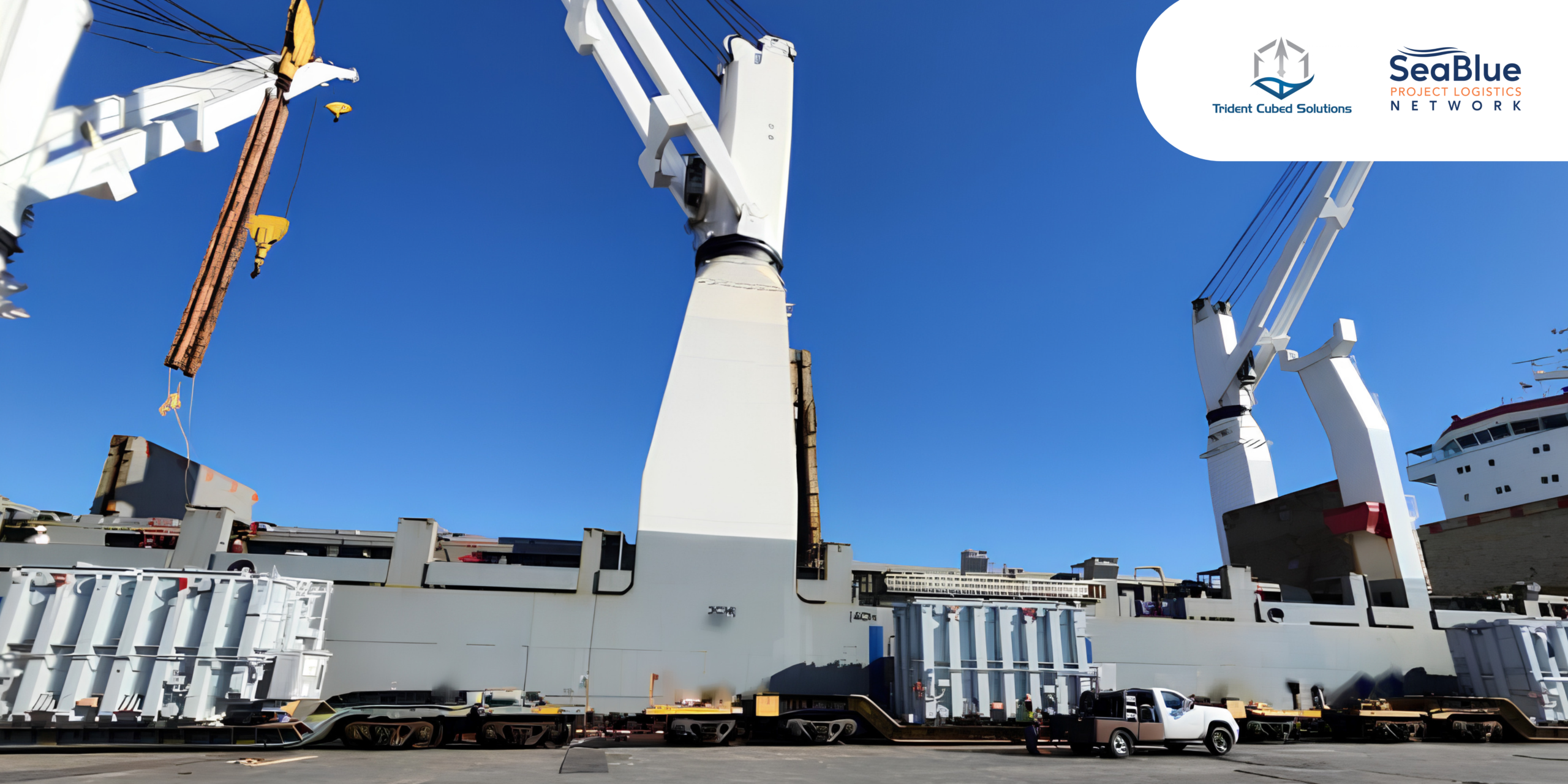
3 Transformers, 102 Packages: Who Is Checking the Accessories?
What a Houston ship unloading shows about the parts that travel with a transformer.
About this article
Trident Cubed Solutions is our technical partner in the network. Trident Cubed’s surveyor attended a recent transformer unloading in Houston, and we are sharing what was recorded. The aim is not to judge anyone. It is to give members a practical look at something that is easy to overlook, so you can build better checks into your own shipments.
In short
• A ship unloaded three large transformers and 102 packages in Houston. The total weight was about 475.5 metric tons.
• Trident Cubed’s surveyor recorded some damage to a transformer and to the outside of several crates.
• The survey did not record any missing packages. But the extra parts that come with a transformer are easy to lose track of, and one missing part can hold up a whole project.
• A few simple checks can help.
Why this matters
A transformer is the biggest item in the shipment, so it gets the most attention when it is unloaded. That makes sense.
But a transformer does not travel alone. It comes with extra parts such as bushings, radiators, valves, pipes and control equipment. We call these accessories. They are packed in separate crates. They may be unloaded on a different shift. They are often stored in a different place from the transformer.
So here is a simple question: once the transformer is safely off the ship, who is counting and checking the accessories?
What happened in Houston
3
Transformers
102
Packages, 3 bills of lading
~475.5 t
Total weight
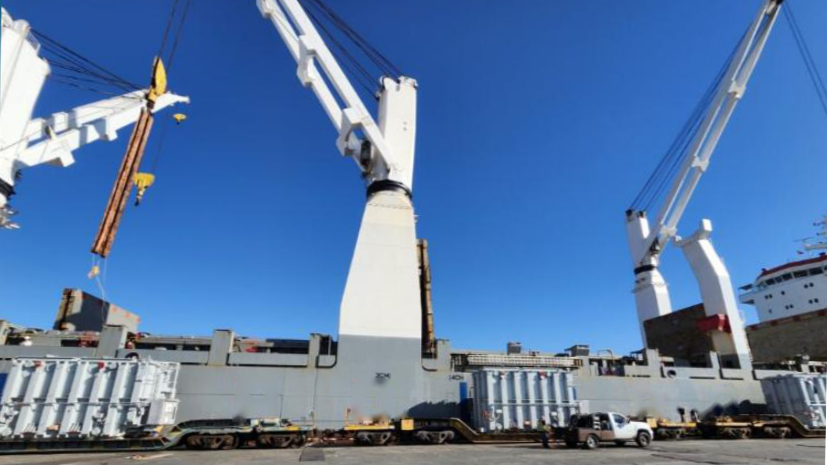
In December 2025, Trident Cubed Solutions attended the unloading of three large transformers from a heavy-lift ship in Houston. The three transformers were lifted straight onto railcars. The other crates were moved separately into storage at the terminal.
What Trident Cubed’s surveyor recorded
Facts from this unloading. Everything in this section was seen and recorded on site.
The transformers touched each other
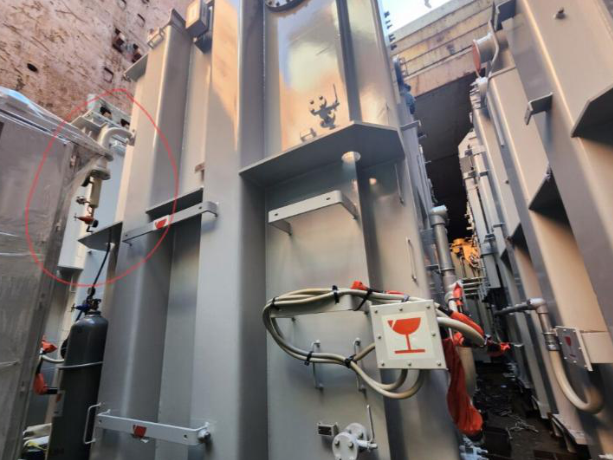
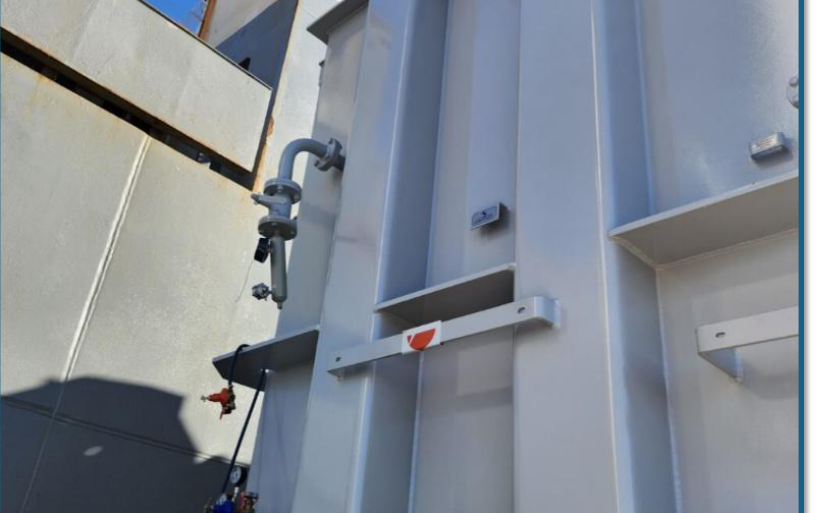
On one transformer, a pipe valve was damaged, a gauge broke and a pipe bent.
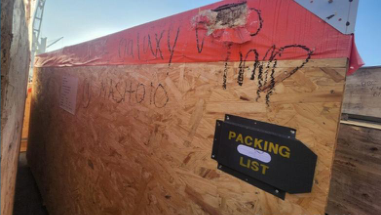
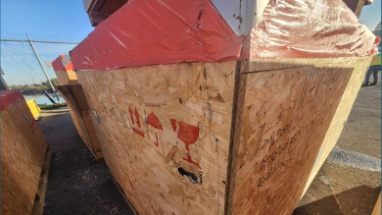
Several crates were damaged on the outside
The crates were not opened, so their internal condition could not be confirmed.
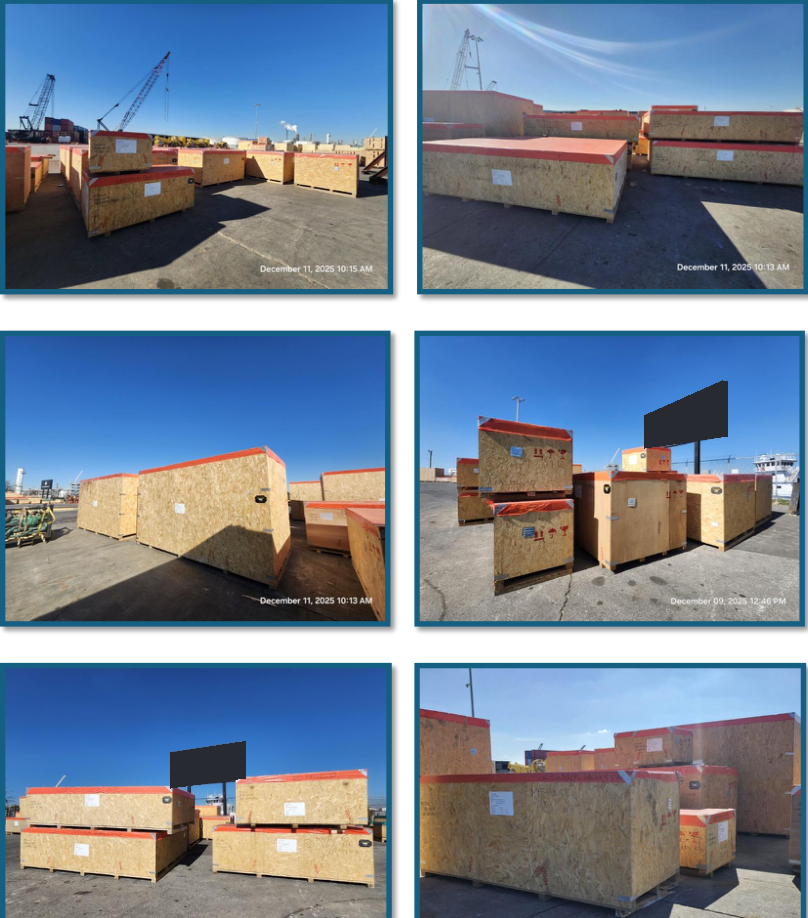
The crates were stored outdoors
They were left in an open area of the terminal, exposed to the weather.
What could go wrong with accessories in general
General risks.
No packages were reported missing in this operation, but missing accessories remain a risk on similar shipments.
Accessories are small compared with the transformer, so they are easier to lose track of. A package can be put in the wrong place, mixed in with another shipment, labeled wrongly or left behind. This can happen during unloading, storage or transport.
A transformer can arrive looking perfect and still not be ready to install, because one part is missing. When that happens, the delay can cost more than the part itself. It can mean:
- Waiting a long time for a replacement part, especially if the manufacturer has to make it
- Paying for fast air freight or special transport
- Delays to installation, testing and switching on the transformer
- Paying again for workers, crane time and storage, and bringing contractors back
- A harder damage claim, because there is no independent count or condition record from the unloading
6 checks for freight forwarders
- Put the accessories in the survey scope. Ask the surveyor to count and check the accessory packages when they are unloaded, not only to watch the transformer lift.
- Match the count. Compare the packages with the manufacturer’s packing list and the bills of lading.
- Record the condition. Take photos and report any visible damage to crates, packaging and parts you can see.
- Match each package to its transformer. Check the markings. Report any shortage straight away.
- Check the storage. Make sure the crates are kept together, easy to find, and stored in a way that suits their packaging and the manufacturer’s requirements.
- Plan for part-time attendance. If a surveyor cannot attend the whole unloading, arrange a visit just for the accessories. Add a written count and condition check before delivery.
Together, these checks answer one question: if a problem appears at the destination, do you have a reliable record of the cargo’s condition and who had it?
“The main transformer naturally receives most of the attention, but the accessories are just as important. Without independent tallying and condition records during their discharge, a missing or damaged package may not be discovered until much later.”
Oziel Lara, Operations Manager, Trident Cubed Solutions
The Takeaway
The transformer may arrive safely and still be unready for installation if a critical accessory is missing or damaged. The survey scope should protect the complete shipment, not only the main lift.
A safe lift is only one part of a successful delivery. Counting and checking the accessories during discharge helps identify damage or discrepancies while the cargo is still at the port, when they can be documented and addressed, not weeks later at the installation site.